WEF 2027 Dates: When and Where the World Economic Forum Meets
By The Davos Collective · 14 September 2026 · 7 min read
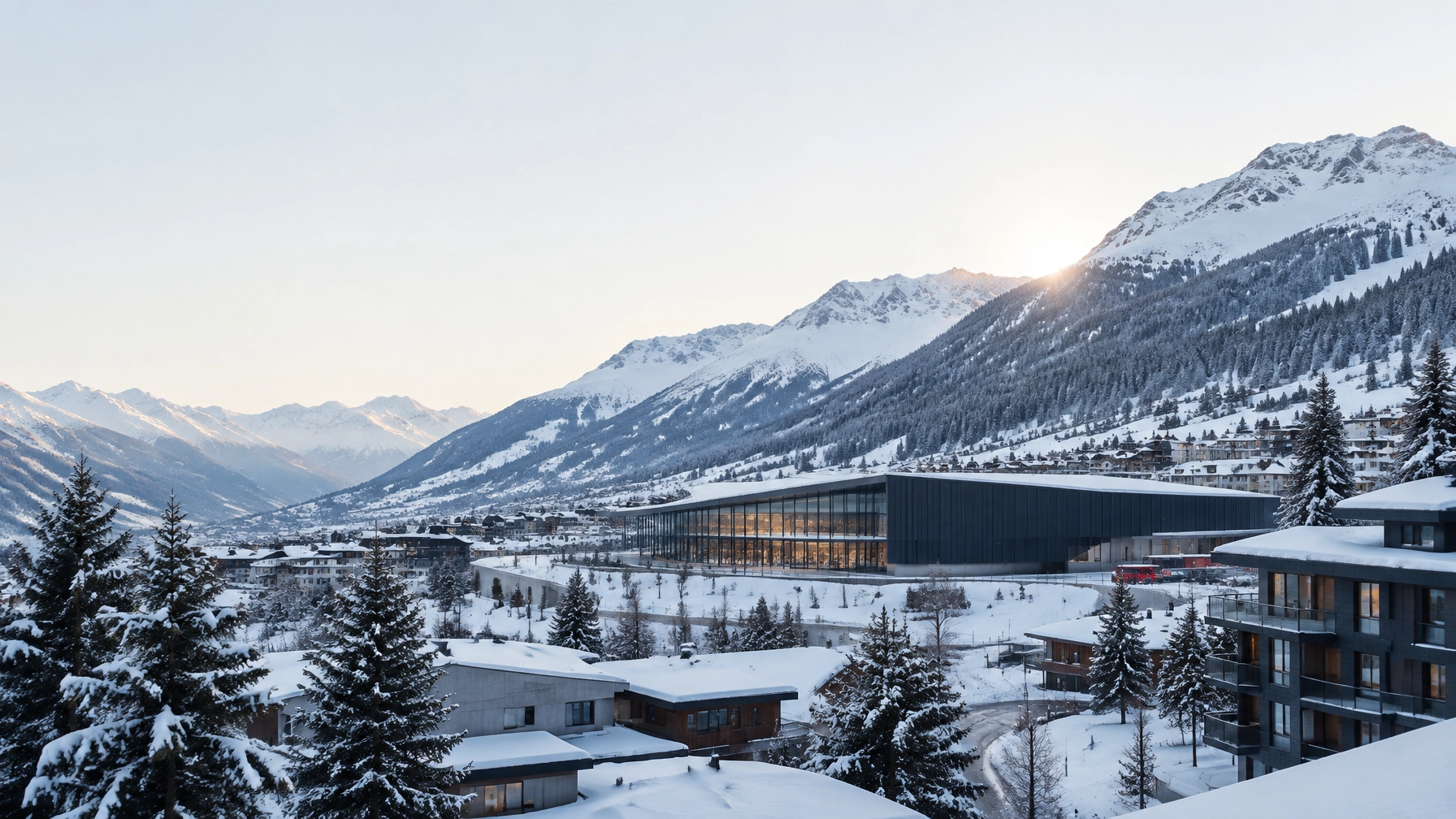
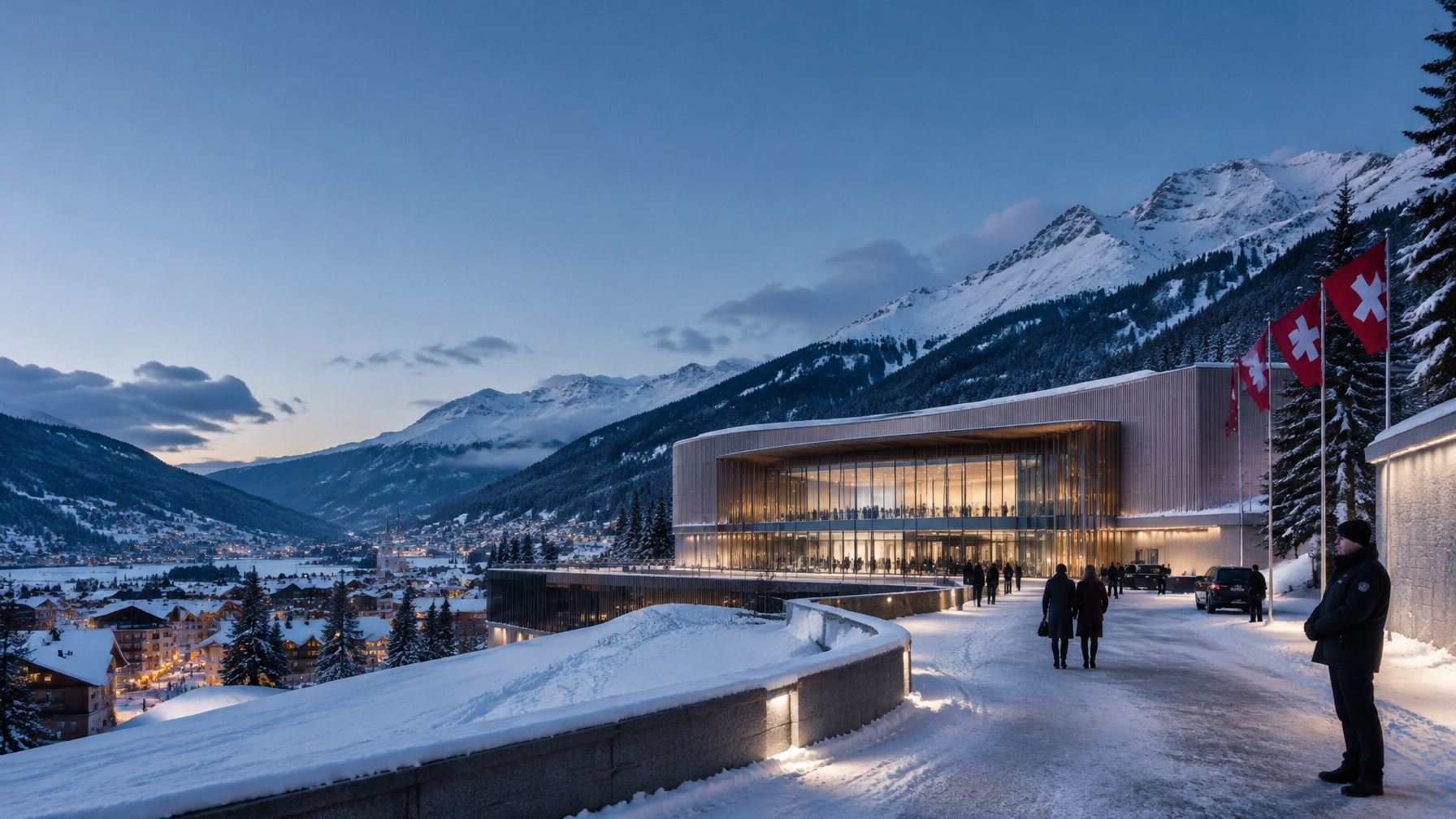
The World Economic Forum Annual Meeting 2027 is listed for 18–22 January 2027 in Davos-Klosters, Switzerland. The principal venue is the Davos Congress Centre, located at Talstrasse 49A in Davos Platz.
For executives, investors, policy professionals and organisations planning their presence, these dates are more than a calendar entry. They define the operating window for official meetings, private dinners, corporate houses, investor conversations, media activity and the wider Davos ecosystem.
WEF 2027 dates at a glance
- Event: World Economic Forum Annual Meeting 2027
- Dates: Monday, 18 January to Friday, 22 January 2027
- Location: Davos-Klosters, Switzerland
- Principal venue: Kongresszentrum Davos, Talstrasse 49A, 7270 Davos Platz
- Expected scale: Approximately 3,000 participants
- Official organiser: World Economic Forum
The dates are published by Davos Tourism and the Davos Congress Centre.
The World Economic Forum’s official meetings page remains the key source for formal confirmation, programme information and participant-facing updates. As planning develops, executives should distinguish between dates published by local authorities and the venue, and final information issued directly by the Forum.

Where does the World Economic Forum meet in 2027?
The Annual Meeting takes place at the Davos Congress Centre, the central venue for the official programme. The centre hosts formal sessions, plenaries, meetings and institutional activity connected to the Annual Meeting.
The venue is in Davos Platz, within the wider Davos-Klosters destination. Davos is located in the Swiss canton of Graubünden, approximately two hours from Zurich Airport by road under normal winter conditions. Transport times can vary significantly during the meeting week because of snow, traffic controls, restricted access and high demand.
The Congress Centre is only one part of the operating environment. During the same week, activity extends across:
- Hotels and secured hospitality areas
- Corporate houses and private meeting spaces
- The Promenade
- Restaurants and reception venues
- Investor and business lounges
- Media facilities
- Public and semi-public events
This broader geography matters because the official Annual Meeting and the surrounding Davos ecosystem operate through different access systems. A person may be present in Davos without holding an official WEF badge, while still requiring separate invitations or credentials for individual venues and events.
Are the WEF 2027 dates officially confirmed?
The most reliable public position is that 18–22 January 2027 is the published schedule for the Annual Meeting, supported by the official Davos destination and Congress Centre listings.
However, executives should monitor the World Economic Forum’s meetings portal for final confirmation, registration instructions, programme announcements and accreditation information. Local event listings establish the expected date and venue, but they do not replace direct communication from the Forum on access, participation or programme structure.
This distinction is operationally important. The event dates may be fixed while the following details remain subject to later publication:
- Session schedules
- Speaker announcements
- Official registration processes
- Media accreditation windows
- Security procedures
- Delegate allocation
- Open Forum programming
- Access rules for official venues
Planning should therefore treat the published dates as the core operating window and not assume that every associated detail is already final.
Key milestones before January 2027
The Annual Meeting is concentrated into five days, but effective participation planning begins months earlier.
1. Strategic decision-making
Executives should establish the purpose of attending before committing to travel or venue arrangements. The objective may involve:
- Government and policy engagement
- Investor relations
- Market intelligence
- Partnership development
- Corporate positioning
- Private capital conversations
- Sector-specific networking
- Media and thought-leadership activity
A precise objective determines the right location, credential, meeting format and schedule.
2. Participation and accreditation
Access to the official Annual Meeting is not equivalent to purchasing a public event ticket. Participation is controlled through invitations, institutional relationships, membership structures, official delegations, media accreditation and other defined channels.
The World Economic Forum should be treated as the authority for official participation requirements. Executives should not assume that attendance in Davos provides entry to the Congress Centre or to closed sessions.
Separate access arrangements may apply to:
- Official WEF participants
- Accredited media
- Government delegations
- Corporate house guests
- Hotel-based meeting attendees
- Public Open Forum participants
- Speakers and invited experts
3. Accommodation and venue planning
Davos accommodation becomes constrained well before January. Hotels, private residences, meeting rooms and hospitality venues are often committed months in advance.
Organisations planning attendance should assess:
- Distance from the Congress Centre
- Transport requirements
- Meeting-room availability
- Guest access and security
- Hosting capacity
- Cancellation terms
- Staff and delegate accommodation
- Arrival and departure windows
Venue selection should reflect the actual purpose of the visit. A private meeting programme may require a location separate from the official venue, while a high volume of short meetings may make proximity and transport access more important than room size.
4. Meeting architecture
The most productive Davos schedules are built around a defined meeting architecture rather than an open-ended list of invitations.
A practical structure may include:
- Priority meetings requiring protected time
- Short bilateral meetings
- Sector gatherings
- Investor conversations
- Private dinners
- Public panels
- Internal briefings
- Contingency periods
Travel time, security delays and late changes should be built into each day. Five consecutive days of meetings without transition time creates a schedule that appears efficient but is operationally fragile.
5. Final confirmation
The final planning phase should confirm travel, accommodation, access, guest lists, meeting rooms and communications procedures.
Executives should maintain a separate record for each engagement covering:
- Host organisation
- Venue
- Access requirement
- Contact person
- Meeting purpose
- Attendees
- Required documents
- Transport plan
- Cancellation or substitution process
This becomes particularly important when official WEF meetings, corporate houses and independent side events operate simultaneously.

Why the WEF 2027 dates matter for executives
The dates establish more than when the formal meeting occurs. They define the period when global decision-makers, capital providers, policymakers, advisers and media organisations are concentrated in one location.
That concentration creates a time-sensitive environment. A meeting that might require weeks to arrange elsewhere can sometimes take place within the same week, provided the relevant relationships and access arrangements already exist.
The dates also help organisations plan around four forms of competition.
Calendar competition
Senior executives often have overlapping commitments in January. Holding the Davos week in the calendar early helps protect time for priority meetings and reduces last-minute trade-offs.
Venue competition
Davos meeting rooms, hotels and hospitality venues face concentrated demand. Delaying venue decisions can limit both location and format.
Attention competition
The number of announcements, events and private conversations creates a crowded information environment. Organisations need a clear narrative and a disciplined schedule to avoid dispersing attention across low-value engagements.
Access competition
Participation is structured. Invitations, badges, guest lists and institutional relationships determine who can enter specific spaces. Presence in Davos is not the same as access to every part of the ecosystem.
Official WEF meeting versus the wider Davos ecosystem
The phrase “Davos” often refers to several overlapping but distinct layers:
- The official World Economic Forum Annual Meeting at the Congress Centre
- Government and institutional delegations
- Corporate houses and private venues
- Investor, media and advisory gatherings
- Public forums and open sessions
- Informal meetings across hotels, restaurants and the Promenade
These layers should not be treated as interchangeable. Each has different hosts, access rules, objectives and information value.
For companies planning attendance, the strategic question is not simply whether to attend Davos. It is which part of the ecosystem is relevant to the organisation’s objectives and how the different layers connect.
Independent intelligence on the Davos ecosystem
The Davos Collective provides independent intelligence and analysis on the networks, conversations and decision-makers shaping the Davos ecosystem. It is not affiliated with the World Economic Forum.
That separation matters. Independent coverage makes it possible to assess the official meeting alongside the surrounding houses, side events, institutional networks, investor activity and emerging agendas without adopting the position of any single organiser.
For executives and investors, the useful unit of analysis is therefore broader than the official programme. It includes who is present, which conversations attract attention, where relationships are forming, which themes are gaining institutional support and how private discussions may influence wider policy and market narratives.
Planning conclusion
The published WEF 2027 dates are 18–22 January 2027, with the Annual Meeting scheduled for the Davos Congress Centre in Davos-Klosters, Switzerland.
Executives should reserve the dates immediately, monitor the official WEF meetings page for final updates, and plan separately for official participation, accommodation, private venues, side events and wider ecosystem engagement. The date is fixed on the calendar; access, programming and strategic value depend on preparation well before January.